Số 13, Đường Dongfan, Xiwu, Fenghua,
Trung Quốc 315500
0086 574 87739122


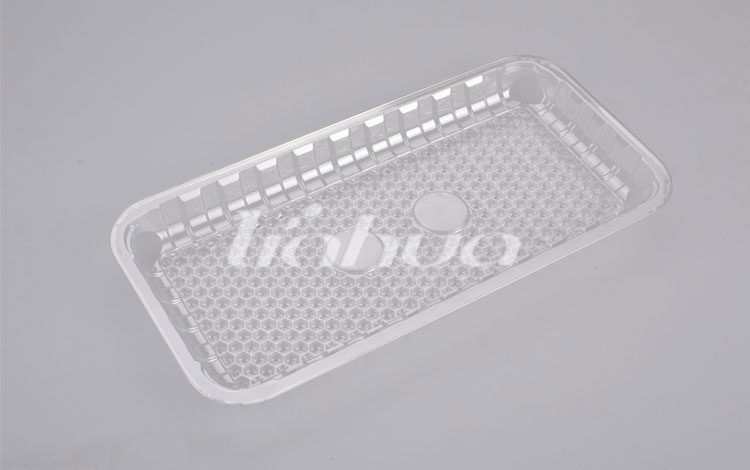 Bởi: Ethan
Khi nói đến Bao bì khí quyển đã sửa đổi (MAP), hiệu suất bịt kín không phải là một chi tiết nhỏ - đó là yếu tố quyết định giữa một sản phẩm vẫn tươi trong 12 ngày và một sản phẩm sẽ hỏng trong bốn ngày. Câu trả lời ngắn gọn: khay đựng thức ăn CPET mang lại hiệu suất bịt kín vượt trội và có thể so sánh được trong một số trường hợp thực tế đối với các khay nhôm cho các ứng dụng MAP , đặc biệt khi sử dụng màng bọc kín nhiệt. Tuy nhiên, hai vật liệu này khác nhau đáng kể về đặc tính ngăn khí, tính nhất quán của bịt kín, độ cứng của khay và khả năng tương thích với dây chuyền hàn kín tự động. Hiểu được những khác biệt này sẽ giúp các nhà sản xuất thực phẩm, nhà bán lẻ và kỹ sư đóng gói chọn giải pháp phù hợp cho danh mục sản phẩm cụ thể, kích thước khay đựng thức ăn và yêu cầu về công suất của họ.
Bao bì khí quyển được sửa đổi thay thế không khí bên trong gói kín bằng hỗn hợp khí được kiểm soát - thường là sự kết hợp của CO₂, N₂ và O₂ - được điều chỉnh để ức chế sự phát triển của vi sinh vật và quá trình oxy hóa chậm. Đối với thịt đỏ, hỗn hợp khí MAP điển hình là 70% O₂ và 30% CO₂ để giữ màu sắc và độ tươi. Đối với thịt gia cầm nấu chín hoặc bữa ăn sẵn, hỗn hợp 30% CO₂ và 70% N₂ là phổ biến.
Toàn bộ quá trình MAP chỉ hoạt động nếu lớp đệm giữa khay và màng đậy kín. Ngay cả một rò rỉ vi mô nhỏ hơn 0,1 mm cũng có thể gây ra sự trao đổi khí khiến MAP không hoạt động trong vòng 24–48 giờ. Đây là lý do tại sao tính toàn vẹn của vòng đệm - được đo bằng áp suất nổ, lực bong tróc và phát hiện rò rỉ - là tiêu chí lựa chọn chính khi so sánh khay thức ăn CPET với khay nhôm trong môi trường MAP.
Các khay thức ăn CPET (Crystallized Polyethylene Terephthalate) được bịt kín bằng màng bọc kín nhiệt - điển hình là màng dựa trên PET nhiều lớp với lớp keo có thể bóc hoặc không bóc. Quá trình niêm phong áp dụng nhiệt (thường 160–200°C ), áp suất (2–6 bar) và thời gian dừng (0,5–2 giây) để liên kết màng với mặt bích của khay.
Ngược lại, khay nhôm có thể được dán kín bằng cả màng dán nhiệt và keo dán lạnh. Tính dẫn nhiệt của nhôm có nghĩa là nhiệt phân phối nhanh chóng trên mặt bích, điều này có thể thuận lợi về tốc độ nhưng cần phải hiệu chỉnh cẩn thận để tránh làm mặt bích mỏng bị quá nóng. Khay nhôm cũng cho phép uốn cơ học trong một số ứng dụng, một phương pháp niêm phong không có sẵn cho CPET.
Hình dạng mặt bích của tấm khay thức ăn là rất quan trọng trong cả hai trường hợp. Mặt bích phẳng, đồng đều ít nhất Chiều rộng 4–6 mm là cần thiết để hình thành con dấu nhất quán. Các khay CPET, được phun hoặc tạo hình nhiệt, có thể đạt được dung sai kích thước rất chặt chẽ trên mặt bích - thường là ± 0,2 mm - hỗ trợ trực tiếp tính nhất quán của phốt trên các đường MAP tốc độ cao.
Rào cản khí là nơi hai vật liệu phân kỳ đáng kể nhất. Nhôm vốn không thấm được oxy, carbon dioxide, độ ẩm và ánh sáng. Chỉ riêng một khay nhôm đã cung cấp tốc độ truyền oxy bằng không (OTR) , khiến nó trở thành một rào cản thụ động tuyệt vời mà không cần bất kỳ lớp phủ bổ sung nào.
Tuy nhiên, khay thức ăn CPET tiêu chuẩn có OTR xấp xỉ 5–20 cc/m2/ngày/atm , tùy thuộc vào độ dày thành và mức độ kết tinh. Đối với nhiều ứng dụng cho bữa ăn sẵn và môi trường xung quanh, điều này có thể chấp nhận được — đặc biệt khi sử dụng màng phủ có độ chắn cao (với lớp phủ EVOH hoặc SiOx, OTR <1 cc/m2/ngày) để bù đắp. Nhưng đối với các sản phẩm nhạy cảm với oxy như thịt đỏ sống hoặc thịt nướng cao cấp, bản thân thân khay có thể yêu cầu tăng cường rào cản bổ sung, chẳng hạn như đồng đùn EVOH hoặc lớp phủ plasma SiOx, điều này làm tăng thêm chi phí.
| Tài sản | Khay đựng thức ăn CPET | Khay nhôm |
|---|---|---|
| OTR (thân khay) | 5–20 cc/m2/ngày/atm | ~0 (không thấm nước) |
| Truyền hơi ẩm | Thấp | số không |
| Dung sai mặt bích | ±0,2 mm | ±0,3–0,5 mm |
| Khả năng tương thích của phương pháp đóng dấu | Chỉ dán phim cách nhiệt | Hàn nhiệt, hàn lạnh, uốn |
| Áp suất nổ điển hình | 180–300 mbar | 150–280 mbar |
| Tương thích với lò vi sóng | Có | Không |
| Lò nướng kép | Có (up to 220°C) | Chỉ có lò nướng thông thường |
Tính toàn vẹn của dấu niêm phong đối với bao bì MAP thường được đánh giá thông qua ba phương pháp tiêu chuẩn:
Một lĩnh vực mà các khay nhôm trước đây có ưu điểm là khả năng chống biến dạng mặt bích trong quá trình vận chuyển trước khi niêm phong. Tuy nhiên, các thiết kế khay đựng thức ăn CPET hiện đại với hình dạng mặt bích được gia cố phần lớn đã loại bỏ mối lo ngại này, đặc biệt đối với các định dạng kích thước khay thức ăn tiêu chuẩn được sử dụng trong các dây chuyền bán lẻ bữa ăn sẵn.
Cả hai loại khay đều tương thích với các máy dán khay tiêu chuẩn được sử dụng trong môi trường MAP — bao gồm các nền tảng Mondini, Sealpac và Ishida — nhưng hoạt động của chúng trên dây chuyền là khác nhau.
Khay thực phẩm CPET mang lại một số lợi thế về hiệu quả của dây chuyền:
Các khay nhôm, mặc dù linh hoạt trong phương pháp bịt kín, nhưng có thể dễ bị cong vênh mặt bích hơn nếu các khay được tạo hình sẵn được bảo quản không đúng cách trước khi sử dụng, điều này có thể làm tăng tỷ lệ khuyết tật của seal trên đường dây tốc độ cao chạy ở tốc độ cao. 20–30 chu kỳ mỗi phút .
Bề mặt đĩa khay thức ăn bên trong khay CPET cũng được hưởng lợi từ đặc tính chống dính khi được xử lý, giúp việc xử lý sau dán nhãn dễ dàng hơn trong quá trình dán nhãn, kiểm tra và đóng gói thứ cấp.
Việc lựa chọn giữa khay CPET và khay nhôm cũng bị ảnh hưởng bởi kích thước khay đựng thức ăn và tính chất của sản phẩm được đóng gói. Các khay thức ăn CPET có sẵn với nhiều kích thước được tiêu chuẩn hóa và tùy chỉnh, từ các khay chia một phần nhỏ (ví dụ: 136×114mm ) sang các định dạng quy mô gia đình lớn (ví dụ: 340 × 240 mm ). Quá trình tạo hình nhiệt của chúng cho phép tạo ra các hình dạng bên trong phức tạp — các ngăn, gân, đế nghiêng — trong khi vẫn duy trì mặt bích đồng nhất thích hợp cho việc bịt kín MAP.
Khay nhôm, mặc dù cũng có sẵn với nhiều kích cỡ, nhưng khó được chế tạo dễ dàng hơn cho các hình dạng bên trong phức tạp mà không làm tăng chi phí. Đối với các định dạng kích thước khay thức ăn được tiêu chuẩn hóa, khối lượng lớn, chẳng hạn như các định dạng được sử dụng trong dịch vụ ăn uống trên máy bay hoặc dịch vụ bữa ăn trong bệnh viện, khay CPET thường mang lại tỷ lệ chi phí trên hiệu suất tốt hơn khi cần phải niêm phong MAP cùng với việc làm nóng lò.
Từ quan điểm bền vững, Khay đựng thức ăn CPET có thể tái chế trong dòng PET , ngày càng được chấp nhận ở lề đường ở Anh, EU và một số vùng ở Bắc Mỹ. Nhôm cũng có khả năng tái chế cao, với cơ sở hạ tầng thu gom toàn cầu được thiết lập tốt. Tuy nhiên, năng lượng cần thiết để sản xuất nhôm nguyên chất là khoảng cao hơn 14 lần hơn so với PET nguyên chất, giúp CPET có lượng khí thải carbon thấp hơn trong các kịch bản sản xuất ban đầu.
Cả hai vật liệu đều tuân thủ các quy định chính về tiếp xúc với thực phẩm bao gồm Quy định của EU tháng 10/2011, FDA 21 CFR và Quy định về Vật liệu Tiếp xúc với Thực phẩm của Vương quốc Anh. Khi chọn khay thực phẩm CPET cho MAP, nhà sản xuất phải xác nhận rằng loại nhựa cụ thể và bất kỳ lớp phủ hoặc chất phụ gia nào đều tuân thủ loại thực phẩm và điều kiện nhiệt độ dự định.
Dựa trên hiệu suất bịt kín, khả năng tương thích đường truyền và yêu cầu sử dụng cuối, khay thực phẩm CPET là lựa chọn mạnh mẽ hơn cho MAP khi:
Khay nhôm vẫn là lựa chọn ưu tiên khi không thể thương lượng được rào cản thân khay không OTR tuyệt đối, khi uốn cơ học là một phần của quy trình niêm phong hoặc khi các yêu cầu theo quy định hoặc của khách hàng bắt buộc phải đóng gói bằng kim loại — ví dụ: ở một số thị trường xuất khẩu nhất định hoặc các định dạng quà tặng cao cấp.
Khay thực phẩm CPET mang lại hiệu suất niêm phong MAP mạnh mẽ, đáng tin cậy phù hợp hoặc vượt quá nhôm trong hầu hết các ứng dụng thực phẩm tươi sống và bữa ăn sẵn — đồng thời mang lại các lợi ích bổ sung về khả năng tương thích với lò nướng kép, dung sai kích thước chặt chẽ hơn và cấu hình vật liệu bền vững hơn. Đối với các kỹ sư đóng gói đánh giá việc nâng cấp dòng MAP hoặc định dạng sản phẩm mới, CPET xứng đáng được xem xét nghiêm túc làm chất nền của khay chính.
Hướng dẫn lĩnh vực đóng gói dịch vụ thực phẩm Kích thước cốc cà phê: Các phép đo ...
.jpg?imageView2/2/w/600/h/600/format/webp/q/75)
Vật liệu đóng gói - Tóm tắt của người mua Khay đựng thức ăn có thể phân hủy sinh học: Bả...

Số 13, Đường Dongfan, Xiwu, Fenghua,
Trung Quốc 315500
0086 574 87739122
Copyright © Ningbo Linhua Plastic Co., Ltd. All Rights Reserved.


Đăng bình luận